


GCIT Invites NTU Singapore Professor to Share Insights on User Privacy in Algorithmic Social Media
【Article by GCIT】
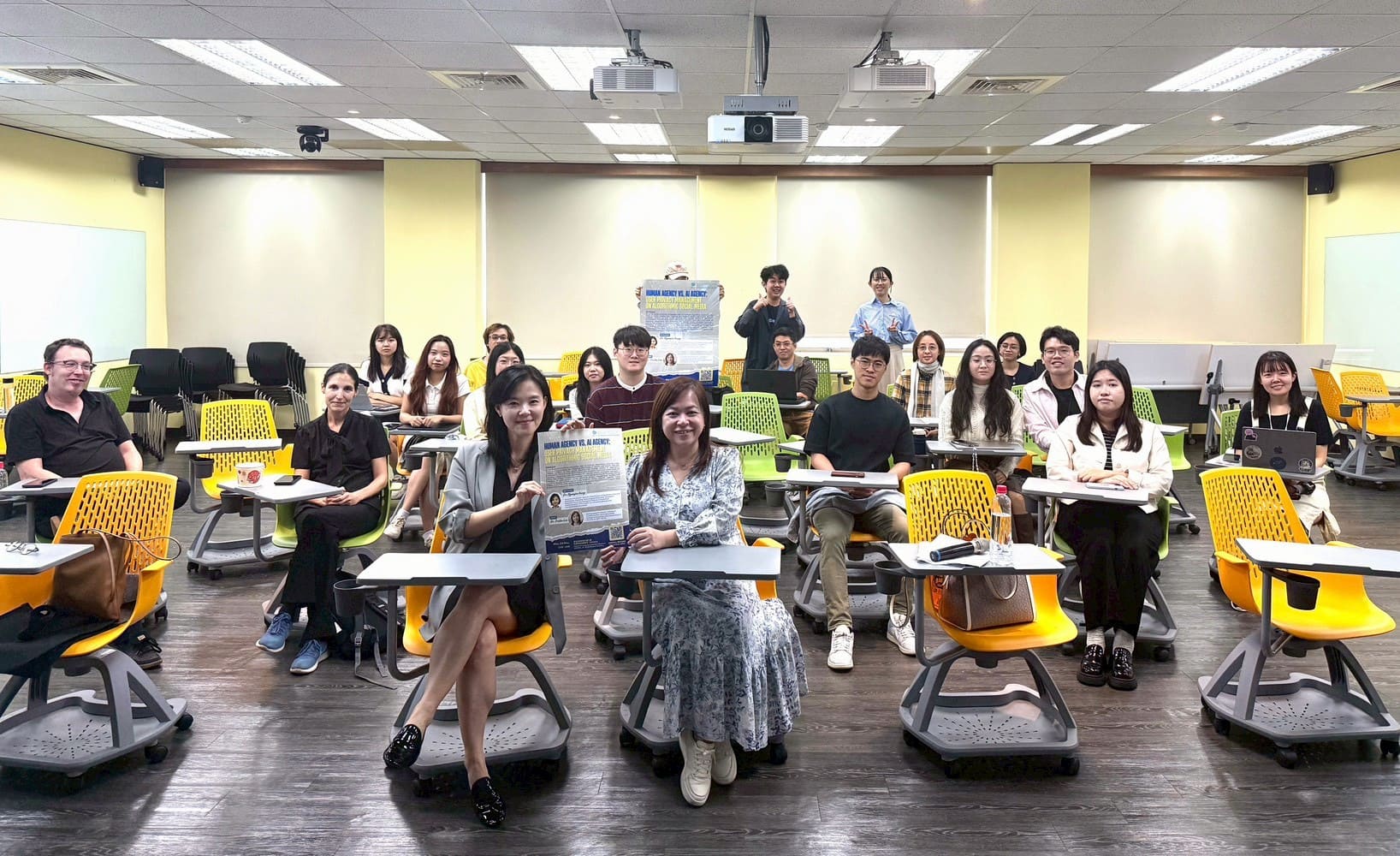
How do users respond when social media platforms seem to know them a little “too well”? The Master’s Program in Global Communication and Innovation Technology (GCIT) at National Chengchi University hosted a special lecture titled “Human agency vs. AI agency: User privacy management on algorithmic social media” on November 24, 2025. The session featured Professor Hyunjin Kang from the Wee Kim Wee School of Communication and Information (WKWSCI), Nanyang Technological University (NTU), Singapore, and was hosted by GCIT Director, Distinguished Professor Trisha Lin. The event also welcomed Professor Leyla Dogruel and Professor Sven Joeckel from the University of Erfurt, Germany, who joined the session and engaged with faculty and students, adding a valuable international perspective to the discussion.
Shifts in AI–Social Media Interaction: Rethinking Human and AI Agency
Specializing in human–computer interaction, algorithmic social media, and privacy management, Prof. Kang began the talk with examples from widely used platforms such as TikTok and Instagram. She explained how contemporary social media systems are deeply dependent on algorithmic operations. AI no longer functions merely as a tool; instead, it increasingly exhibits its own capacity to act and influence — AI agency. In contrast, the user's ability to act meaningfully and shape outcomes — human agency — is often challenged. Drawing on classical and contemporary theories, she noted that agency comprises two core components: control and understanding. However, algorithmic platforms often undermine both — hyper-personalized recommendation systems reduce users’ control over their information flow, while opaque algorithmic processes limit their understanding of why certain content is shown.
Privacy Concerns, Emotions, and Behavioral Strategies: How Users Regain Agency
Building on this foundation, Prof. Kang presented findings from three published studies and one cross-cultural analysis, illustrating how users cope with privacy concerns, emotional reactions, and behavioral shifts in algorithm-driven environments. When users feel a platform “knows too much” or delivers overly precise recommendations, they often experience discomfort linked to being monitored or predicted, including emotions such as fear, annoyance, or helplessness. To maintain or restore their agency, users adopt various behavioral strategies, including: Information withdrawal — reducing usage or interaction; Disclosure management — using actions such as clicking “not interested” to push back against recommendations; and Cognitive avoidance — deliberately avoiding thinking about how the algorithm works. In her cross-cultural comparison, Prof. Kang also observed differences in how users from the United States and Singapore manage privacy. While cultural background shapes perceptions of risk, vulnerability, and platform benefits, the most decisive predictor of privacy behavior is privacy self-efficacy — users’ belief in their own ability to manage and protect their privacy. As she emphasized, “What truly shapes user behavior is not how powerful the platform is, but whether people feel they can do something about it.”
Active Dialogue and Encouragement: Guidance for Graduate Researchers and Reflections on GCIT
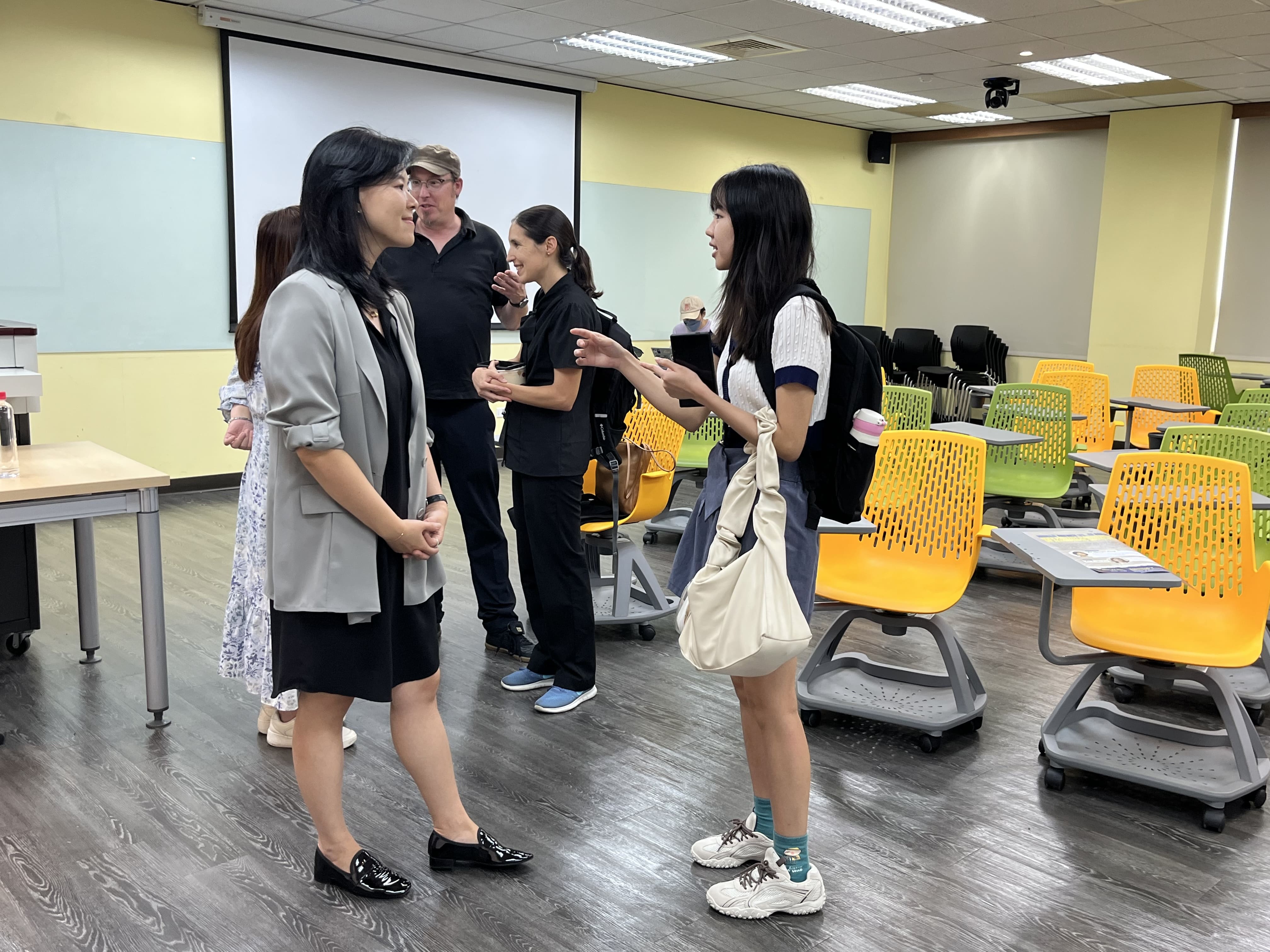
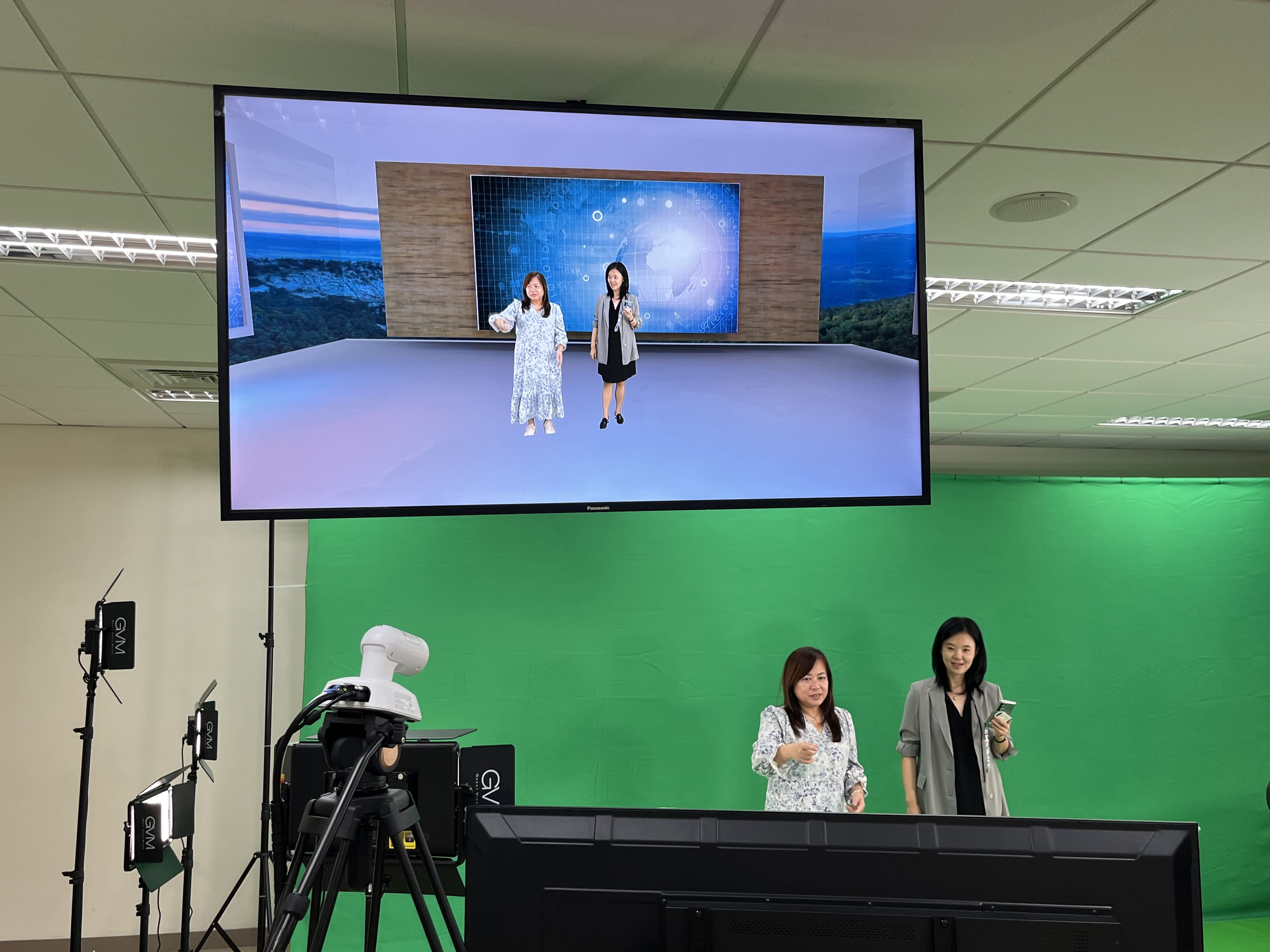
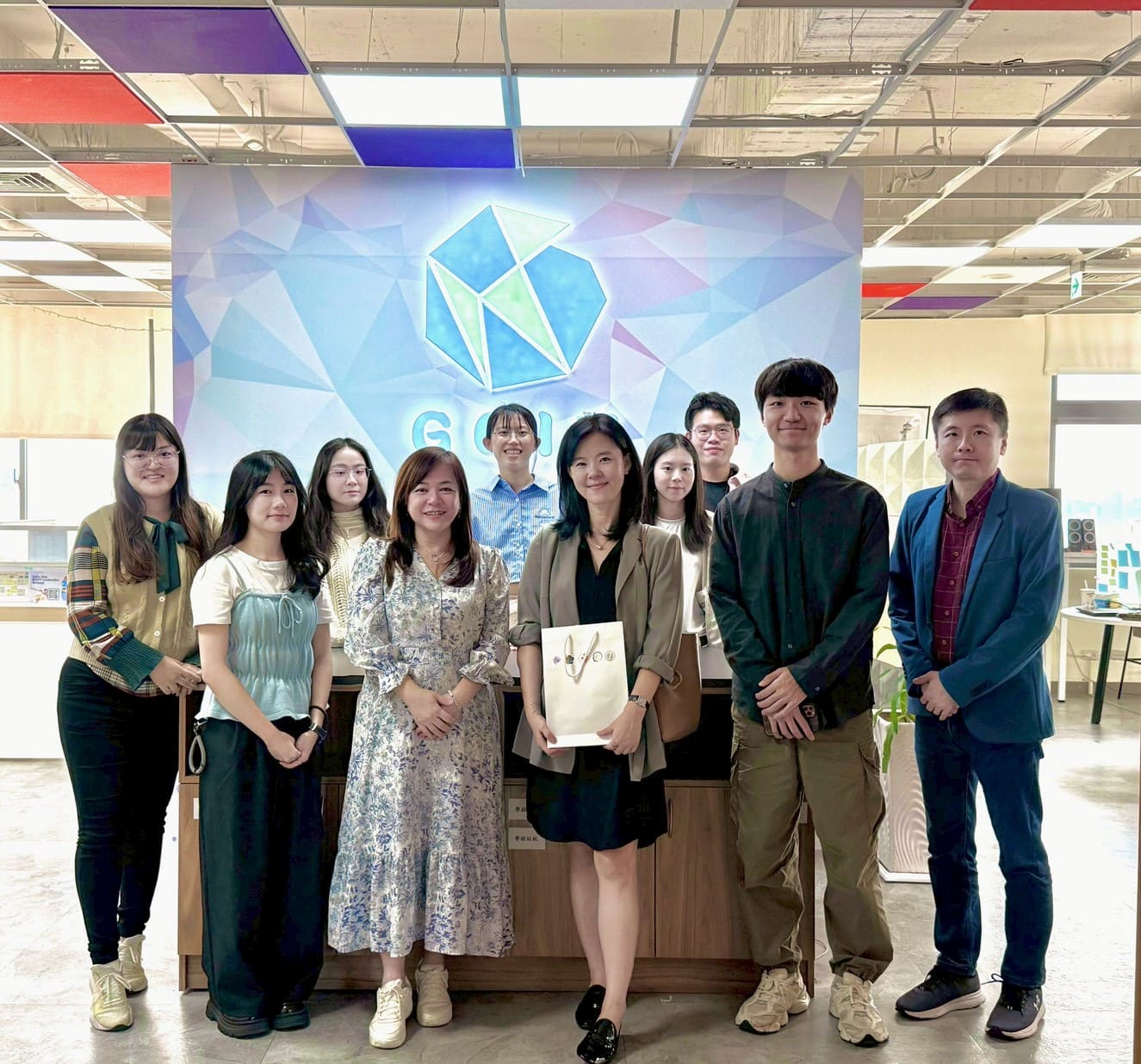
During the Q&A session, Prof. Kang engaged thoughtfully with students’ questions on human-AI agency, social media privacy, research methods, and the process of developing thesis topics. She offered several valuable insights for graduate students, like selecting research collaborators, defining a workable research question, and identifying topics that sustain long-term academic motivation. Prof. Kang noted that she was impressed by the depth and sincerity of GCIT students’ inquiries. After the lecture, Prof. Kang visited GCIT’s New Media Studio and praised the program’s creative environment, remarking that such spaces offer students meaningful opportunities to experiment, collaborate, and innovate. She expressed her delight in visiting GCIT and shared her hope for future collaborations with faculty and students.
(全球傳播與創新科技碩士學位學程獲文化部與教育部高等教育深耕計畫補助。)