


GCIT Hosts TVBS Anchor Ting-Ting Liu to Explore the Challenges and Opportunities of Journalism in the AI Era
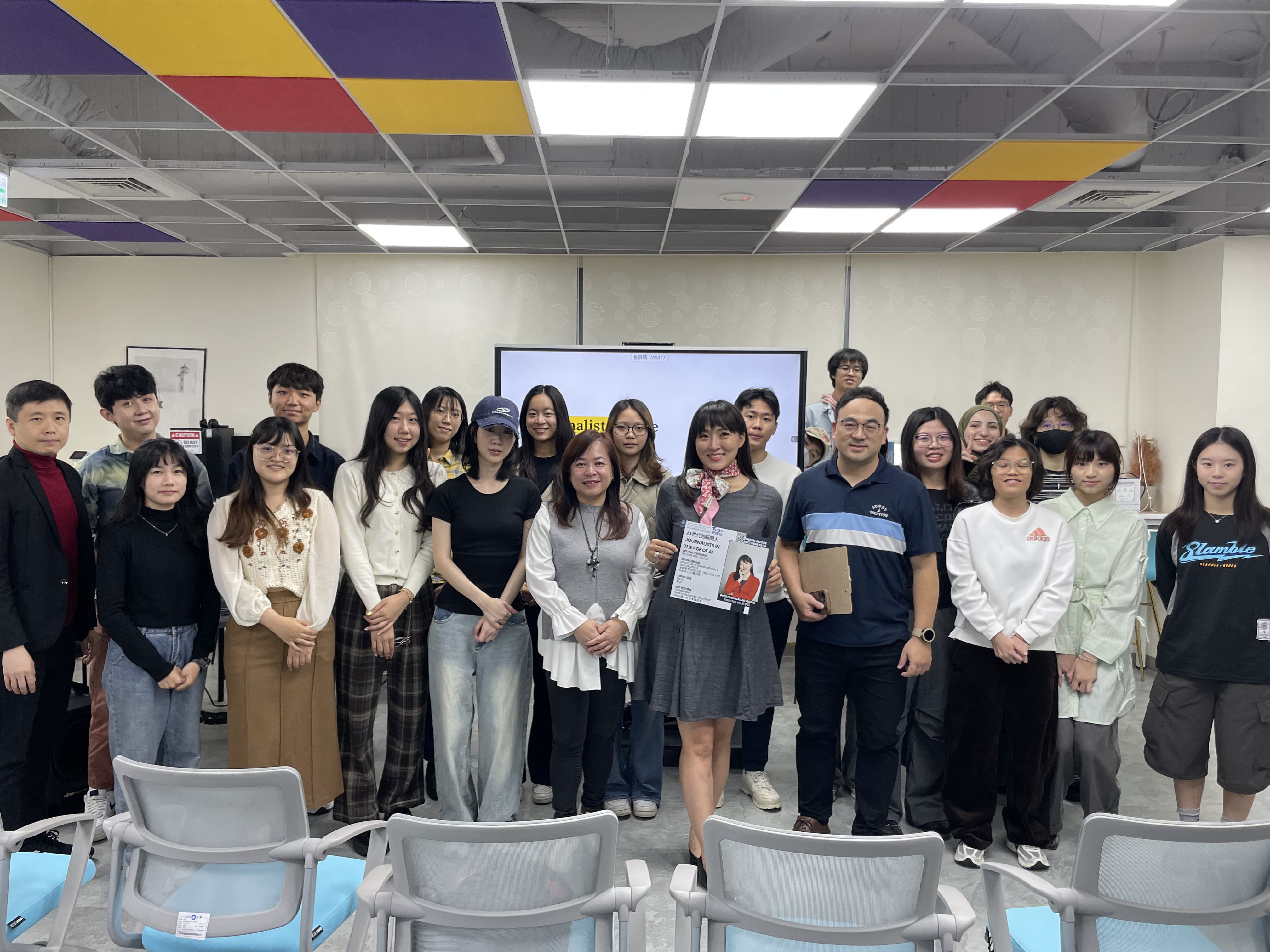
【Article by GCIT】
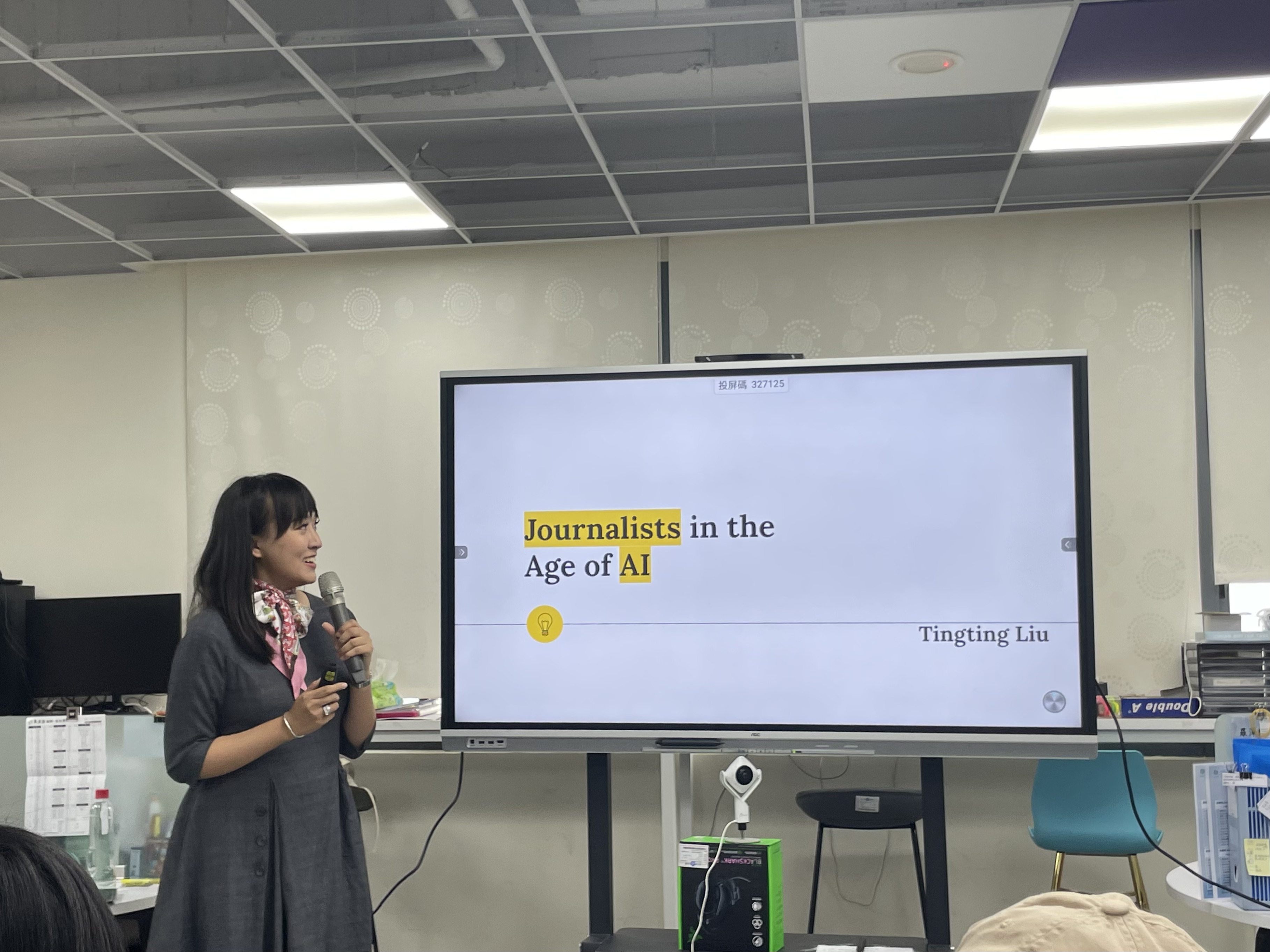
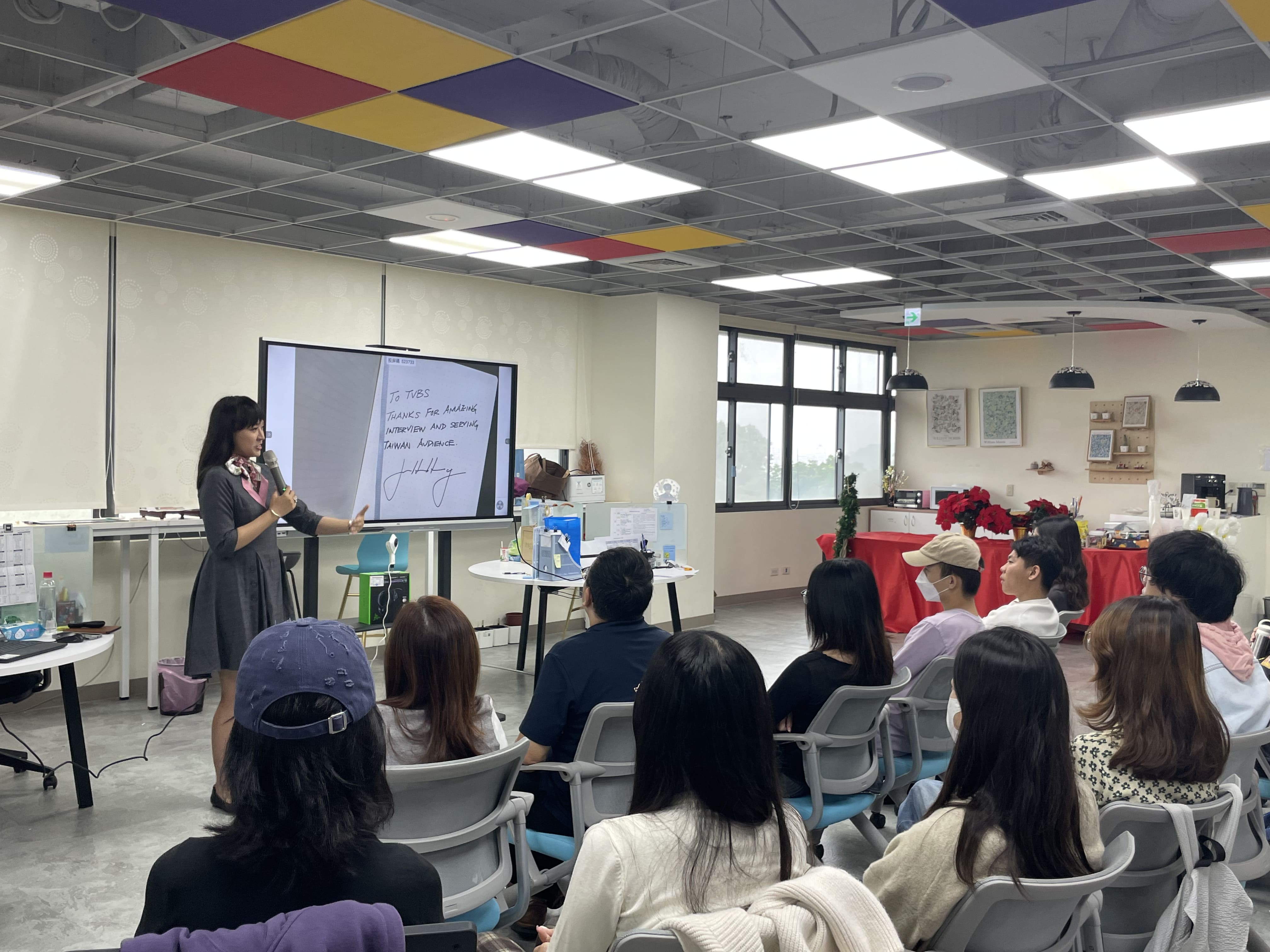
In an era of rapid AI advancement, the journalism industry is confronting unprecedented challenges and opportunities. The Master’s Program in Global Communication and Innovation Technology (GCIT) at National Chengchi University (NCCU) hosted a professional advising session titled “Journalists in the Age of AI,” inviting renowned TVBS anchor and reporter Ting-Ting Liu to share hands-on experiences and examine how AI is reshaping newsroom workflows and the depth of reporting.
Liu is currently a TVBS news anchor and chief defence and foreign affairs reporter. She has worked in Hong Kong, Singapore, and Taiwan, focusing on international security, defense, and technology, and has accumulated extensive professional experience in the field.
From the NVIDIA Interview: A New Model of AI-Assisted Reporting
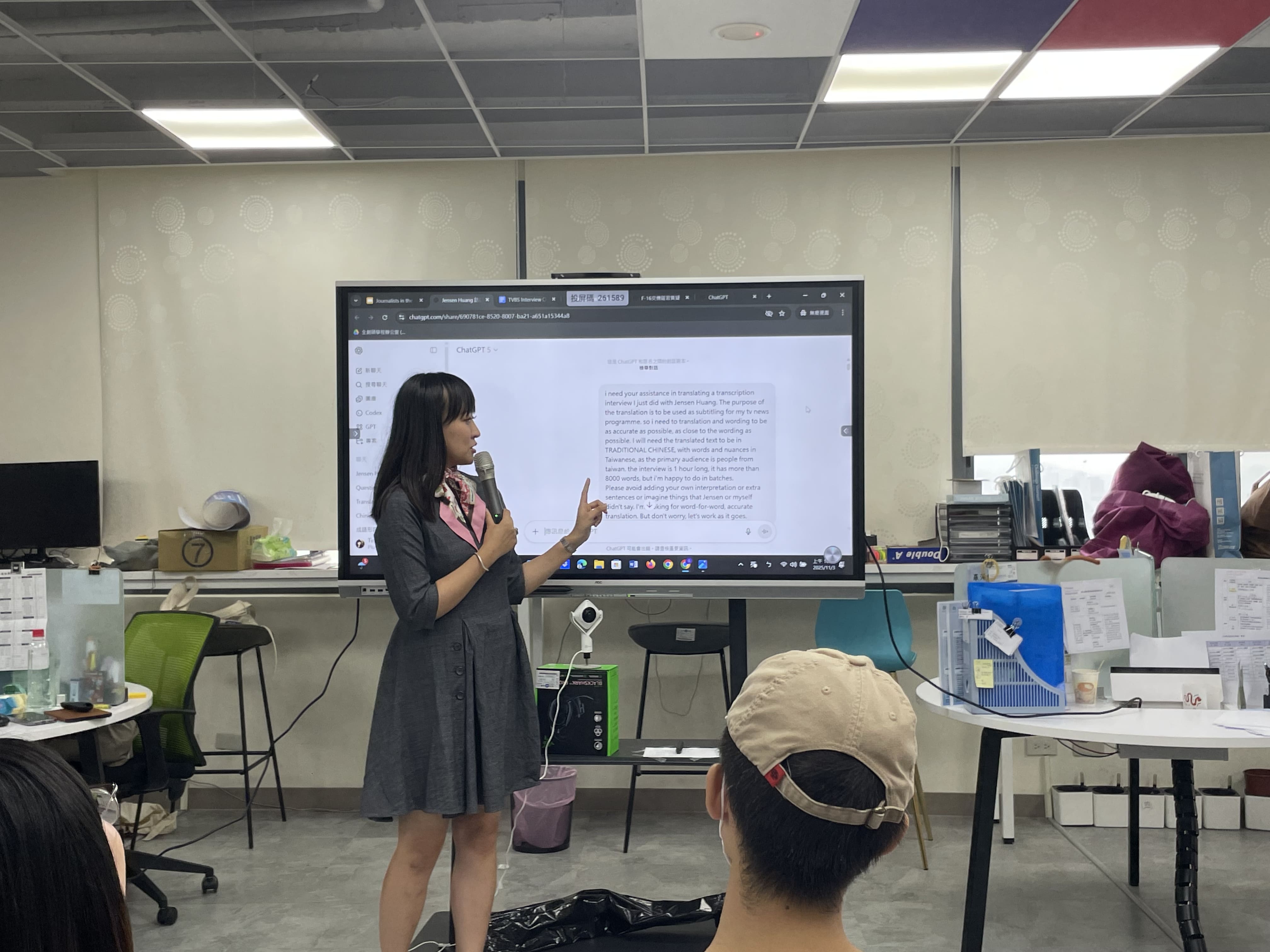
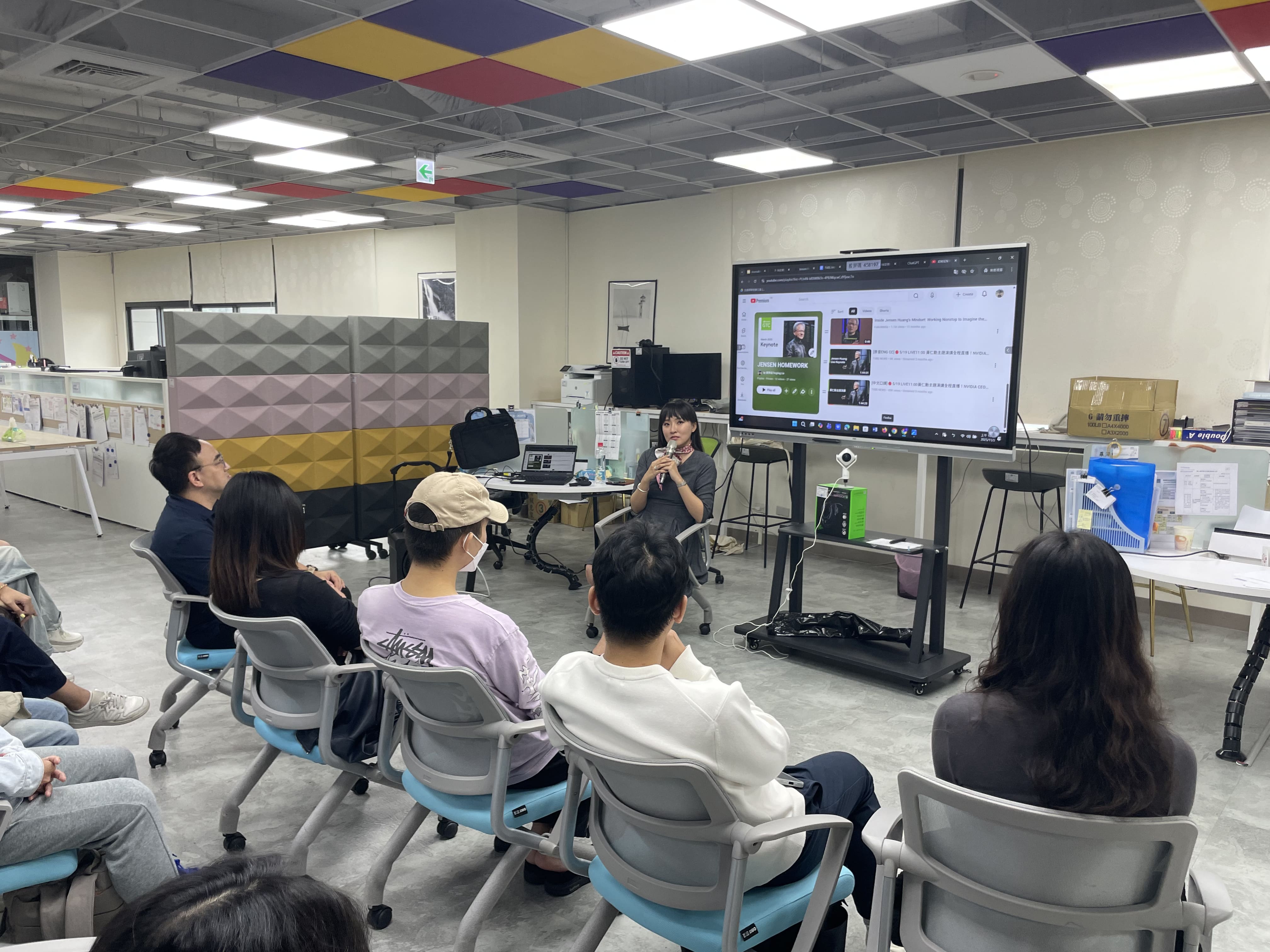
Drawing on her recent interview with NVIDIA CEO Jensen Huang, Liu walked the audience through her pre-interview preparation and the role AI played in the process. To understand Huang’s thinking, she first conducted extensive background research—reading books and reviewing past interviews—before turning to ChatGPT as a supplementary tool to help draft questions and clarify concepts. “I asked AI to generate fifty questions,” she recalled with a smile. “I didn’t use any of them verbatim, but they helped me organize the overall framework.”
Liu further explained how she tailors prompts in ChatGPT for different interviewees and gradually “trains” the system to recognize the tone and direction she wants so the outputs align with journalistic needs. She emphasized the importance of “reading and understanding materials personally before using AI for assistance.” While AI can accelerate production, it cannot replace human intuition or real-time judgment; the ability to ask the right question remains distinctly human.
Practical Applications of AI in News Production
Beyond her personal workflow, Liu also shared how TVBS News has incorporated AI tools into its newsroom operations. Applications include automatic transcription, subtitle generation, English–Chinese translation, headline suggestions, video summarization, and data retrieval, all of which have significantly improved production efficiency.
She noted that AI is most helpful for time-consuming but simple tasks such as transcription, preliminary translation, and information organization, whereas fact-checking and content judgment must still rely on human expertise and experience.
In a High-Tech Era, Human Warmth Remains Irreplaceable
During the Q&A session, when students asked about AI-related career anxiety, Liu stressed that AI should be viewed as a powerful assistant for understanding complex issues more quickly—not as a replacement for journalists. The priority, she said, is to preserve one’s distinctive edge. On effective research, she encouraged students to focus on recent books and reliable sources. Her reminder was simple yet powerful: in the AI era, information is plentiful, but sound judgment is the real advantage.
Concluding the session, Liu urged students to be bold amid technological change. AI can save time, but the soul of journalism still comes from people, from keen observation, genuine communication, and trust-building, which AI cannot learn. Continuous learning, she added, is essential to stand out in the age of AI.
GCIT is committed to cultivating communication professionals with strong technological literacy and a global mindset. Through continuous collaboration with media and industry partners, the program provides students with firsthand insights into the latest trends shaping the future of journalism and innovation technologies.
Watch the event highlights here: https://youtu.be/LFA0bSk78XQ
[全球傳播與創新科技碩士學位學程獲文化部與教育部高等教育深耕計畫補助。]