


Office of International Cooperation, National Chengchi University seeks to strengthen international ties, expand academic exchanges
Date :
2023-02-10
Department :
Secretariat
【Article by Cheng Hsin】
With COVID-19 receding and countries opening up their borders, face-to-face meetings have gradually increased. Moving forward, the Office of International Cooperation (OIC) will further deepen international ties, encourage overseas exchanges between professors and students, and expand academic exchanges.
On March 10, the office is going to host NCCU Partner Day. It has invited representatives of partner universities from more than 10 countries to take part. At the meeting, the OIC will reveal National Chengchi University’s (NCCU) international strategic plan and host talks to develop more opportunities for collaboration. OIC Vice President Tang Ching-Ping said that he plans to enhance the outreach practices of NCCU by engaging international students in community development. Students from abroad can be a valuable bridge to link Taiwan with the world. As Confucius Institutes have been closing around the world, NCCU is also promoting the concept of a new form of Mandarin education. The university offers international students a fresh and exciting approach for learning Chinese in a “Taiwanese style” that also incorporates trends in language pedagogy seen overseas.
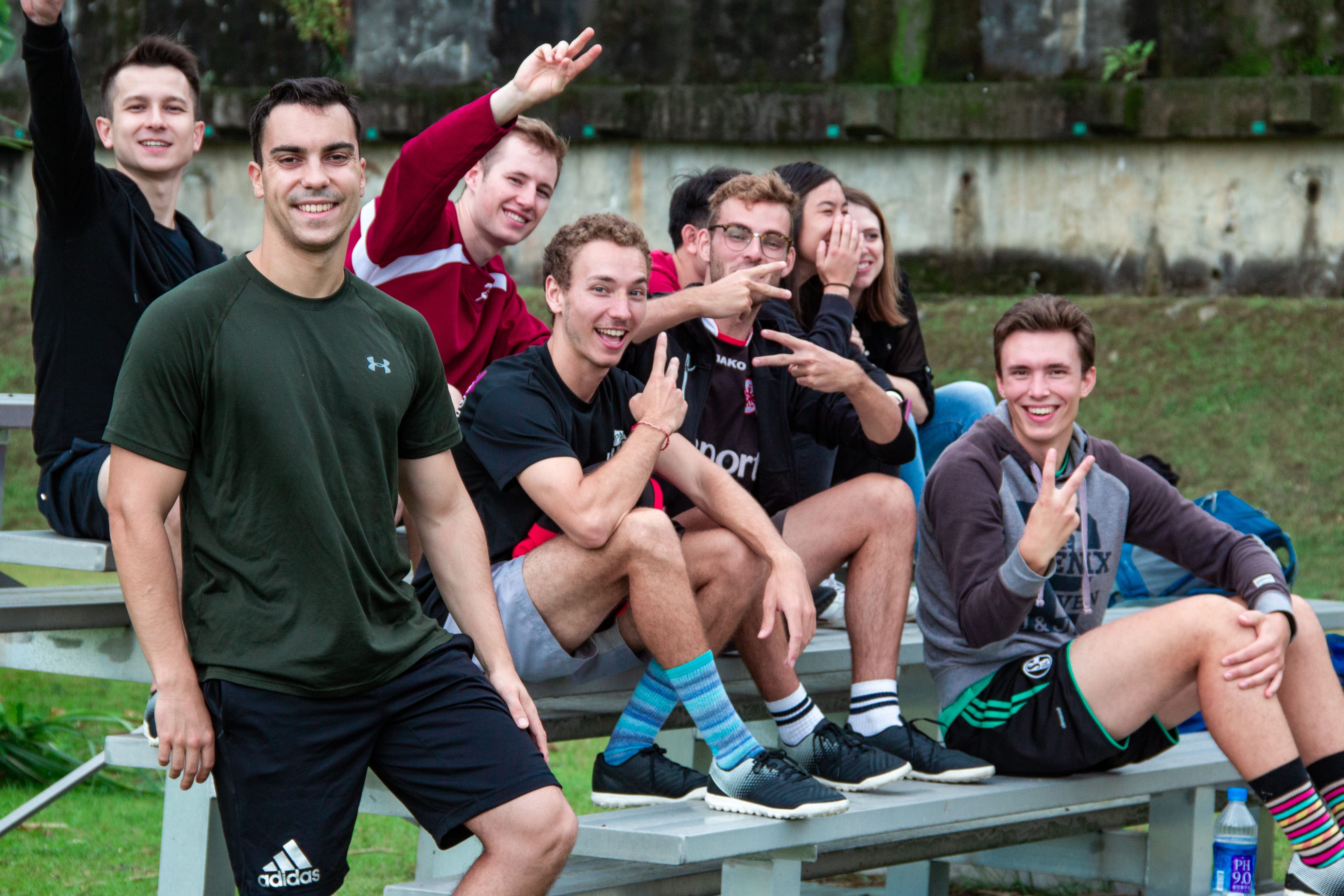
Additionally, OIC is building an NCCU international village in order to actively share a more beneficial future with the local community. It intends to simultaneously broaden its international vision and increase local experiences by going global. For example, the NCCU-iHouse platform cooperates with local stores in the area allowing international students to get involved in local affairs and also provides language learning opportunities and diverse cultural interactions. OIC Associate Vice President, Jhih- Syuan Lin, said that by being innovative, international students that were previously passive cultural observers or learners will now proactively participate in and serve the local communities. Lin noted that the OIC’s major goal is to make NCCU a second home for international students. In the future, OIC will launch a virtual host family project that offers international students even more resources. Lin expects the collaboration to showcase the nation’s rich social strength and turn NCCU into the “window of the world.”
This year, NCCU’s short-term course International Summer School is set to expand in scale. Lin commented that its most popular subjects include History and Art, Global Politics and Economy, and Communication and Society, adding the OIC places high value on the campus and is keen to arrange visits with outside entities for enhanced learning outcomes.
These events will allow international students to experience in-depth cultural exchanges in a diverse learning environment. Lin also hopes these projects can further boost NCCU’s global influence in higher education.
With COVID-19 receding and countries opening up their borders, face-to-face meetings have gradually increased. Moving forward, the Office of International Cooperation (OIC) will further deepen international ties, encourage overseas exchanges between professors and students, and expand academic exchanges.
On March 10, the office is going to host NCCU Partner Day. It has invited representatives of partner universities from more than 10 countries to take part. At the meeting, the OIC will reveal National Chengchi University’s (NCCU) international strategic plan and host talks to develop more opportunities for collaboration. OIC Vice President Tang Ching-Ping said that he plans to enhance the outreach practices of NCCU by engaging international students in community development. Students from abroad can be a valuable bridge to link Taiwan with the world. As Confucius Institutes have been closing around the world, NCCU is also promoting the concept of a new form of Mandarin education. The university offers international students a fresh and exciting approach for learning Chinese in a “Taiwanese style” that also incorporates trends in language pedagogy seen overseas.
Additionally, OIC is building an NCCU international village in order to actively share a more beneficial future with the local community. It intends to simultaneously broaden its international vision and increase local experiences by going global. For example, the NCCU-iHouse platform cooperates with local stores in the area allowing international students to get involved in local affairs and also provides language learning opportunities and diverse cultural interactions. OIC Associate Vice President, Jhih- Syuan Lin, said that by being innovative, international students that were previously passive cultural observers or learners will now proactively participate in and serve the local communities. Lin noted that the OIC’s major goal is to make NCCU a second home for international students. In the future, OIC will launch a virtual host family project that offers international students even more resources. Lin expects the collaboration to showcase the nation’s rich social strength and turn NCCU into the “window of the world.”
This year, NCCU’s short-term course International Summer School is set to expand in scale. Lin commented that its most popular subjects include History and Art, Global Politics and Economy, and Communication and Society, adding the OIC places high value on the campus and is keen to arrange visits with outside entities for enhanced learning outcomes.
These events will allow international students to experience in-depth cultural exchanges in a diverse learning environment. Lin also hopes these projects can further boost NCCU’s global influence in higher education.